All News
All News
A wood chipper can start normally and still become less efficient over time. Branches may take longer to process, the machine may block more often, or the chips may become less consistent. Before assuming that the engine has a problem, it is worth checking the parts that directly affect the chipping process.
Based on LEFA's experience with wood chippers and after-sales service, three areas deserve particular attention: the blades, the feeding system, and the drive and PTO system.
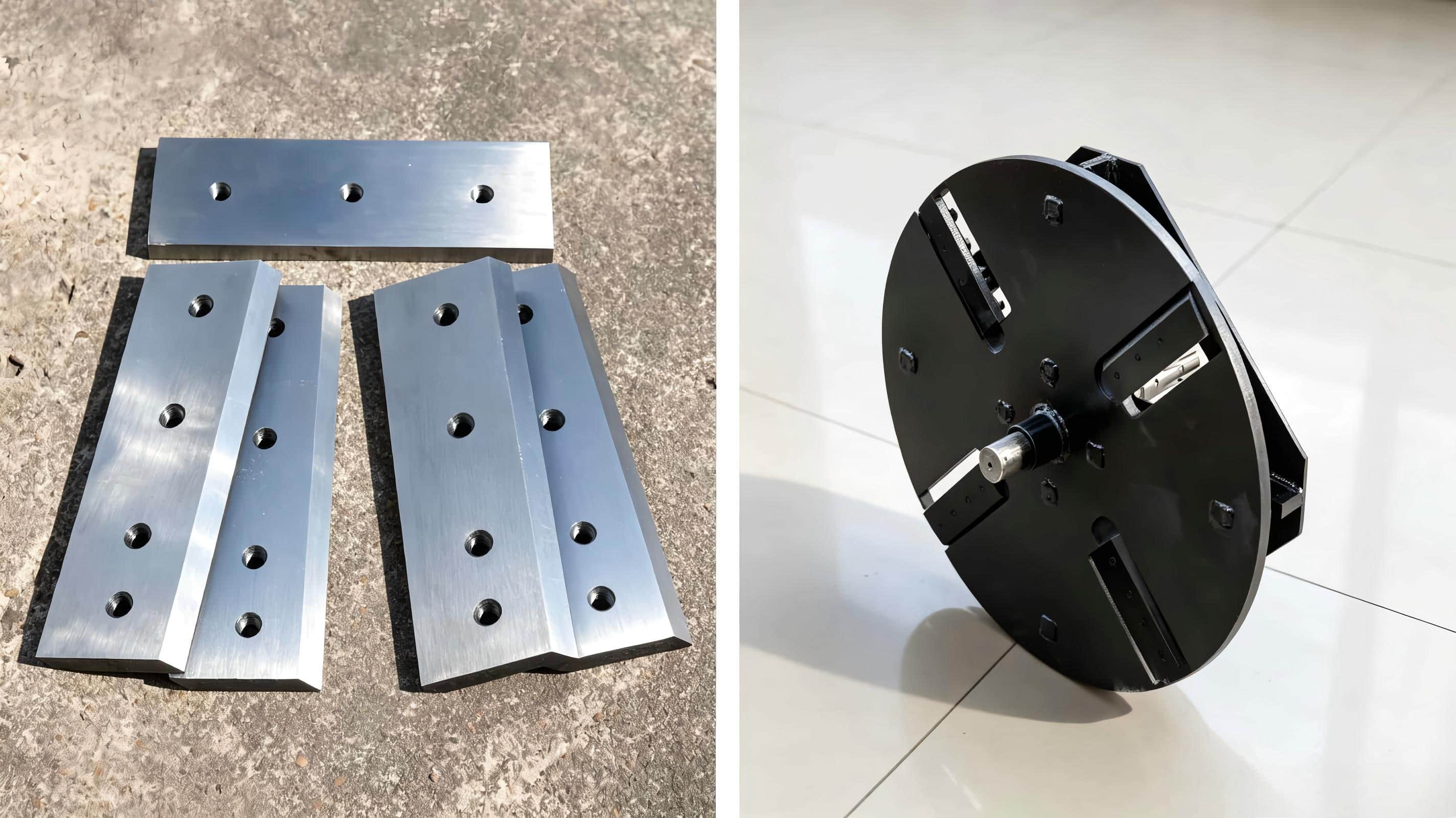
The blades are directly responsible for cutting the wood. When they become dull or damaged, the machine needs more force to process the same material. This increases the cutting load and can gradually reduce working efficiency.
LEFA recommends checking the blade condition regularly and cleaning away accumulated wood chips and debris. Depending on the blade design and level of wear, sharpening, turning to a fresh cutting edge, or replacing the blade may be necessary.
What goes into the chipper is just as important. Metal objects, plastic waste, stones, and other non-organic materials should not enter the machine, as they can damage the blades and internal components. It is also worth checking the discharge chute regularly to prevent accumulated chips from restricting material flow.
2. Then Check the Feeding System
A sharp blade cannot solve a feeding problem. If too much material enters the cutting chamber at once, the machine has to deal with a sudden increase in load. This can cause the engine speed to drop, slow the cutting process, or lead to blockages.
The feeding rate should match the size and type of wood being processed and the capacity of the chipper. For machines equipped with hydraulic feeding, the rollers can pull branches into the cutting chamber at a controlled rate. This makes feeding more consistent and reduces the need for the operator to push material manually.
From LEFA's perspective, proper feeding is not only about working faster. It is about keeping the cutting load within a reasonable range and reducing unnecessary stress on the machine.
When a blockage occurs, safety should always come first. Disengage the PTO, shut down the machine, and wait until all rotating parts have completely stopped before removing the material.
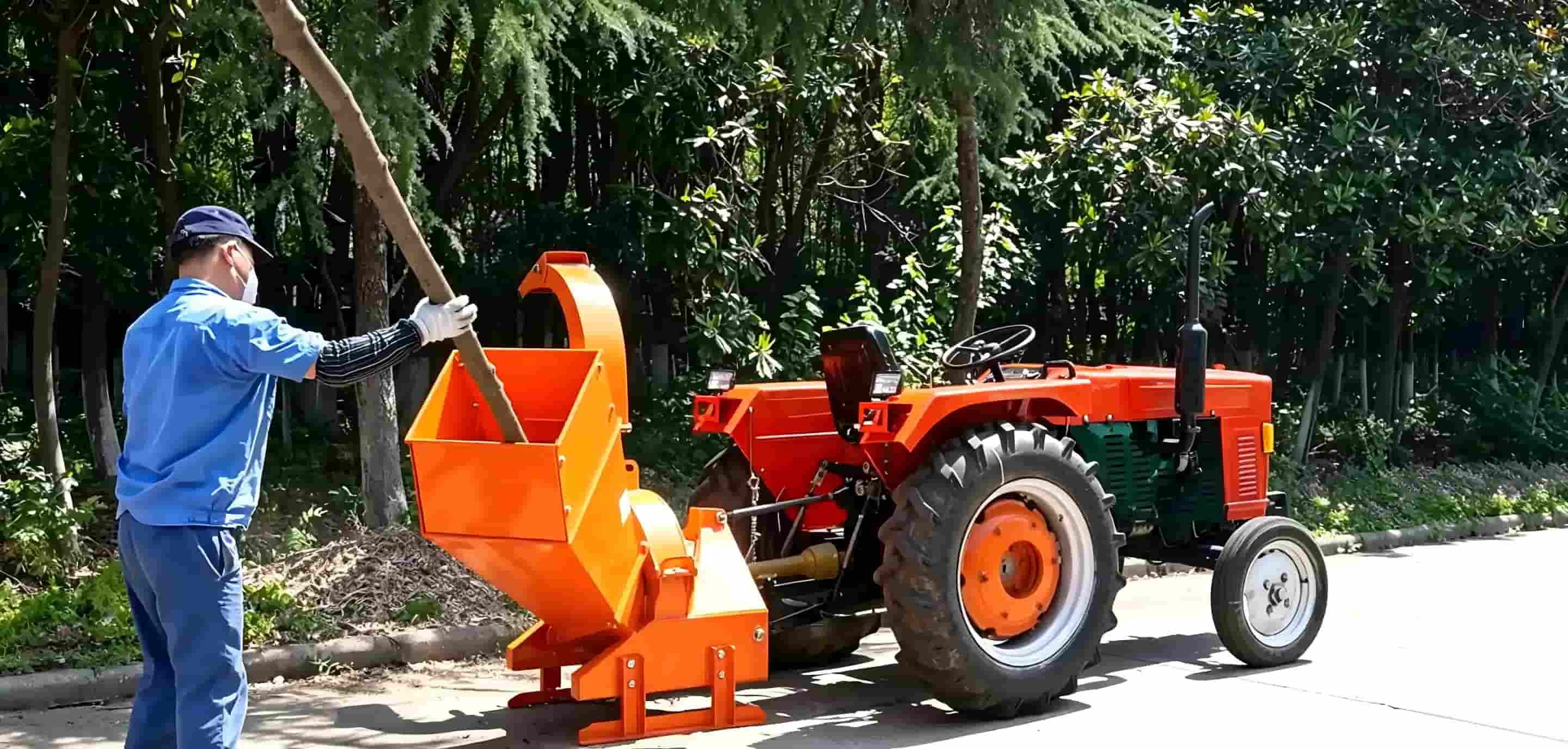
If the blades are in good condition and the feeding process is stable, the next area to check is power transmission.
For PTO wood chippers, inspect the PTO shaft, connections, and protective guards before operation. The PTO speed should match the machine's requirements, and the shaft should be properly lubricated and free from visible damage.
For belt-driven systems, check the belt for cracks, wear, and incorrect tension. A worn or loose belt can reduce the power transferred to the cutting system, even when the tractor or engine itself is working normally.
LEFA also recommends following a regular maintenance schedule for lubrication and engine-related service items, such as oil and filters. These basic checks may seem small, but they can help prevent minor wear from developing into a larger repair.
A wood chipper does not always need a major repair when its efficiency starts to decline. Sometimes the problem begins with a worn blade, an overloaded feeding system, or a small issue in the drive system.
If you need replacement blades, shafts, or advice on maintenance and parts selection, LEFA is ready to help.
Contact LEFA to find the right parts and maintenance solution for your wood chipper.